How to Climb Mount Rinjani in Lombok Island: The Complete Beginner’s Blueprint
Standing at a towering 3,726 meters (12,224 feet) above sea level, Mount Rinjani is Indonesia’s second-highest volcano and one of the most physically demanding yet deeply rewarding treks in Southeast Asia. Climbing this majestic active volcano takes you through dense tropical jungles, across expansive rolling savannas, and up grueling volcanic scree slopes to a summit that looks out over a massive volcanic caldera.
Climbing Mount Rinjani requires careful preparation, the right logistics, and a clear understanding of the trails. This complete guide outlines everything you need to know to safely plan and execute your Rinjani expedition.
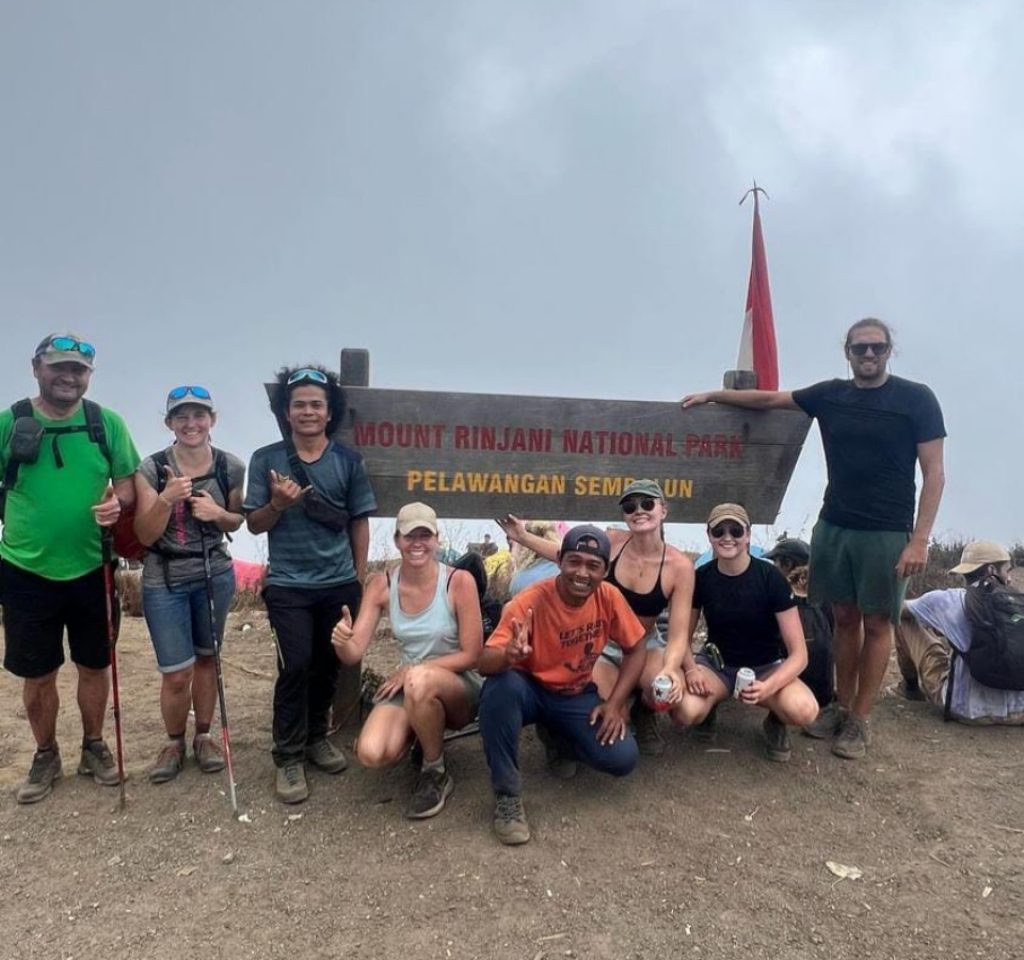
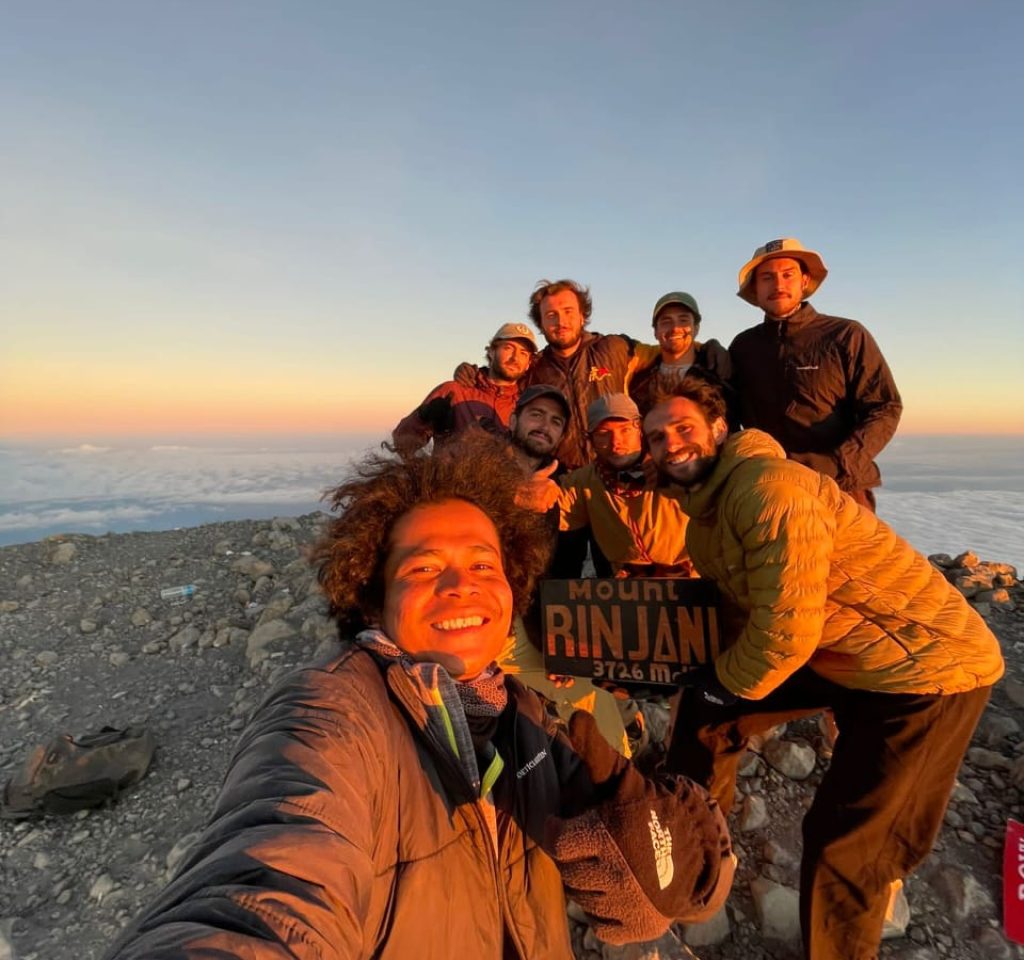
1. Choose Your Route: Senaru vs. Sembalun
There are two primary gateway villages used to climb Mount Rinjani, each offering a completely different starting terrain. Most multi-day trekking itineraries combine both routes (starting at one and ending at the other).
The Sembalun Route (East Lombok)
Best For: Pushing directly to the absolute summit.
The Terrain: You start in a flat, high valley (~1,100m) and hike through open, unshaded golden savanna grasslands. It heats up quickly in the morning, but the grade is relatively gradual until you reach the steep craters.
The Senaru Route (North Lombok)
Best For: Shaded trekking and direct access to the crater lake views.
The Terrain: You start lower (~600m) and climb directly through a thick, humid tropical rainforest canopy. The shade keeps you cool, but the trail is a continuous, steep incline winding over giant tree roots.
2. Pick Your Itinerary Duration
You cannot climb to Rinjani’s summit and return in a single day. You must select an itinerary based on your fitness level and what you want to see:
| Itinerary Length | Difficulty | Experience Focus |
| 2 Days / 1 Night (2D1N) | Extreme | Fast-paced trek starting from Sembalun, camping at the rim, pushing to the summit at dawn, and heading straight back down. Highly strenuous. |
| 3 Days / 2 Nights (3D2N) | Moderate-Hard | The most popular option. Covers the Sembalun route, the summit, a descent into the crater lake and hot springs, and an exit via the Senaru forest. |
| 4 Days / 3 Nights (4D3N) | Leisurely | Identical route to the 3D2N option but spaced out with an extra night of camping at the lake or rim to allow body recovery. Great for casual hikers. |
3. The Three Golden Rules of Climbing Rinjani
Independent hiking is strictly banned by the national park. You must hire a licensed guide. Furthermore, local Sasak porters are the unsung heroes of the mountain—they carry the heavy tents, cooking gear, and fresh food, allowing you to hike with just a light daypack.
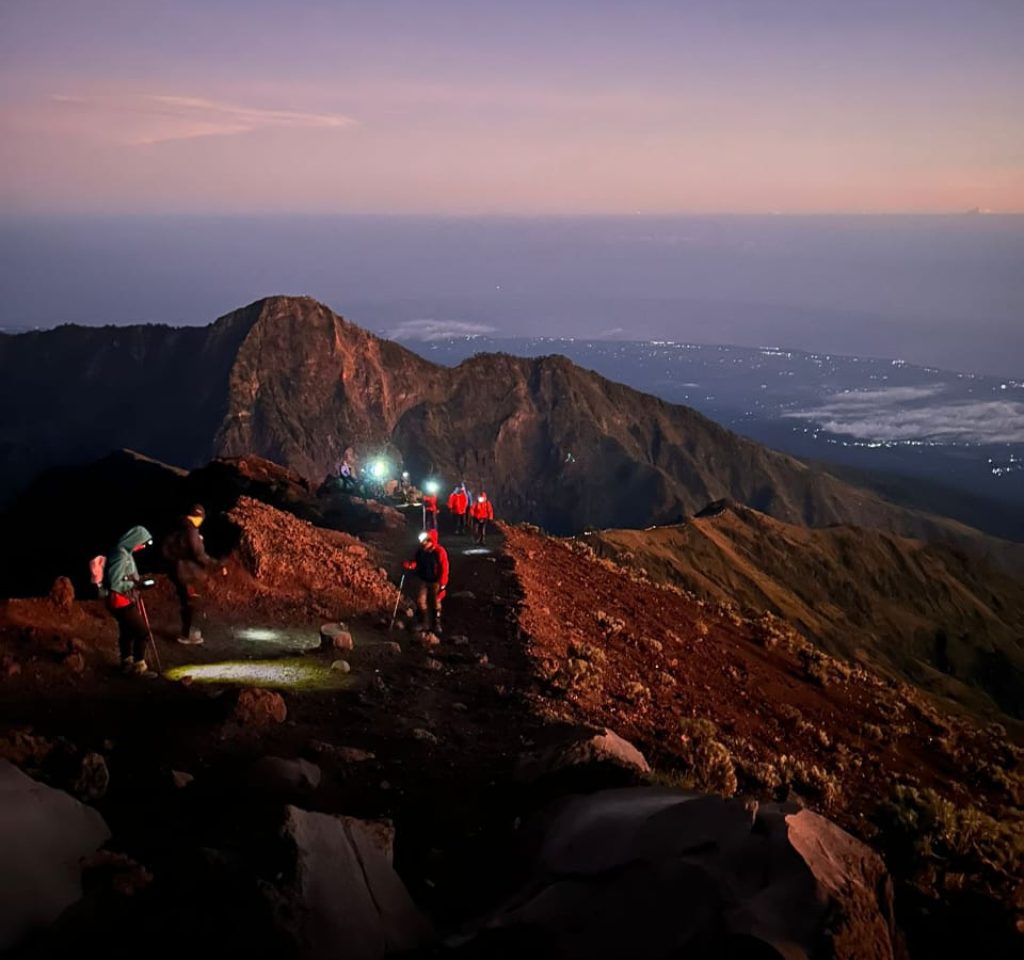
You will experience extreme temperature shifts. The base trails are hot and humid (around 30°C / 86°F), while the crater rims drop to 10°C (50°F) at night. The final summit push at 2:00 AM is freezing, often dipping below 5°C (41°F) with intense wind chill.
The final 3-hour push to the summit is a mental and physical battle. The trail is made of loose volcanic ash and gravel (scree). For every two steps you take upward, you will slide one step backward. Trekking poles are absolutely vital here to stabilize your footing.
4. Training and Physical Preparation
Do not underestimate Mount Rinjani; it is significantly tougher than climbing Mount Batur or Mount Agung in neighboring Bali.
To enjoy your trek rather than just endure it, focus your training at least 4 to 8 weeks before your trip on:
Leg Strength: Squats, lunges, and calf raises.
Cardio Endurance: Long distance running, rowing, or cycling.
Stair Climbing: Spend time on a stairmaster or find a local stadium or hill to climb while wearing a weighted backpack.
5. What to Pack in Your Daypack
Your porters will carry the tents, sleeping bags, mattresses, and food. Your personal daypack (ideally 25L–30L) should contain:
🎒 Essential Gear Tip: A reliable headlamp is mandatory. The summit push begins in pitch-black darkness at 2:00 AM, requiring your hands to be completely free to balance with your trekking poles.
Clothing Layers: A breathable base t-shirt, a warm fleece mid-layer, and a windproof/waterproof outer jacket. Include a beanie and warm gloves.
Footwear: Sturdy hiking boots with deep tread. Do not attempt the summit in casual running shoes.
Health & Hygiene: Wet wipes (there are no showers on the mountain), sunscreen, insect repellent, and a small personal first-aid kit with blister pads and ibuprofen.
Electronics: A high-capacity power bank to keep your phone and camera alive in the cold high-altitude air.
6. Best Time to Climb
The Mount Rinjani climbing season is tightly regulated by the Gunung Rinjani National Park authority:
Open Season (April to December): The trail officially opens in April after the monsoon rains clear. The landscape is incredibly lush and green from April to June. The peak dry months of July to October offer the clearest skies and safest trail conditions.
Closed Season (January to March): The mountain is strictly closed to all hikers during these months due to heavy rainy season monsoons, high winds, and landslide risks.
Are you ready to challenge yourself and stand on top of Lombok Island? Reach out to a verified local trekking operator, secure your national park entrance slots, and get ready for an adventure you will remember for the rest of your life!

Mount Rinjani Trekking and Lombok Tour Organizer

Rinjani Escape Tour and Trekking Company
Copyright © 2025. All Right Reserved.